Ericaceae - Heath Family
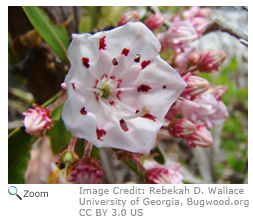 This
is the largest family in the order with about 4,000 species. Most plants
in this group grow best in moist, acidic soil. Plants in this family include
heather, blueberries,
cranberries, mountain laurel, mayflower, azaleas, St. John's wort and rhododendrons. Many plants in this family depend on fungi to get the nutrients they need. This
is the largest family in the order with about 4,000 species. Most plants
in this group grow best in moist, acidic soil. Plants in this family include
heather, blueberries,
cranberries, mountain laurel, mayflower, azaleas, St. John's wort and rhododendrons. Many plants in this family depend on fungi to get the nutrients they need.
Epacridaceae - Epacris Family
There are 400 species in this family. Most species are found in Australia and New Zealand.
Pyrolaceae - Shinleaf Family
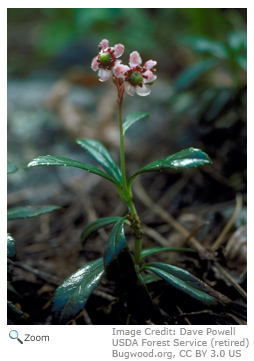 There are 45 species of plants in this family. They are found in temperate and boreal regions of the Northern Hemisphere. Plants include
sidebells wintergreen,
pipsissewa and
white-veined wintergreen. There are 45 species of plants in this family. They are found in temperate and boreal regions of the Northern Hemisphere. Plants include
sidebells wintergreen,
pipsissewa and
white-veined wintergreen.
|
|
Grubbiaceae - Grubbia Family
This family has only three species. They are all found in South Africa.
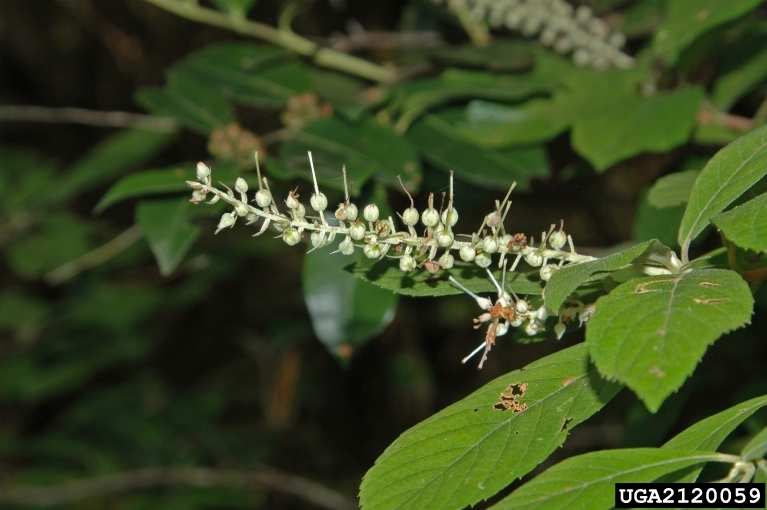
Clethraceae
- Clethra Family
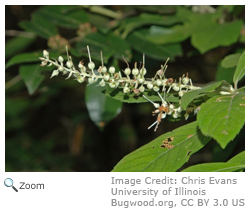 There are about 65 species of clethra found from the southeastern United States to South America. Clethra is also found in southeastern Asia and the East Indies. Species in this family include the white alder and the sweet pepperbush. There are about 65 species of clethra found from the southeastern United States to South America. Clethra is also found in southeastern Asia and the East Indies. Species in this family include the white alder and the sweet pepperbush.
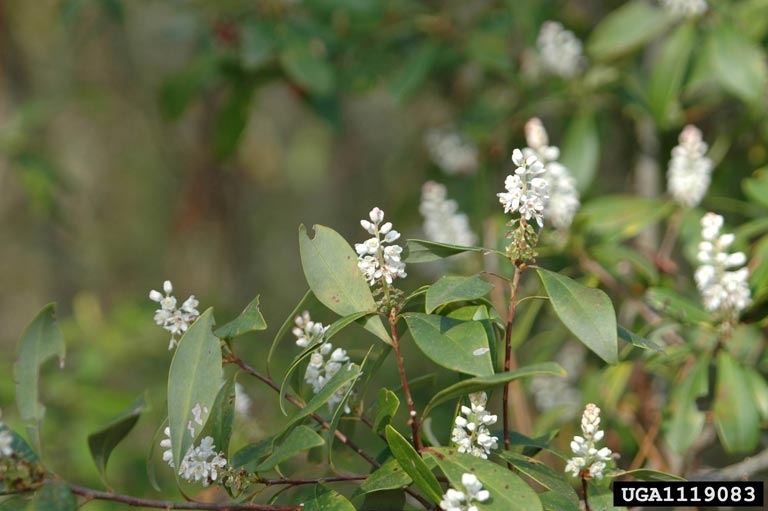
Cyrillaceae - Cyrilla Family
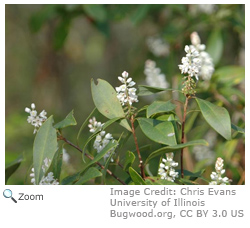 There are two species of plants in this family. They are found on the coastal plains of the southeastern United States. The swamp titi (Cyrilla racemiflora)is found in coastal areas of the southeastern US from Virgina through the Gulf Coast to Texas. The buck-wheat tree (Cliftonia monophylla) is found in the southeastern US from South Carolina to Louisiana. There are two species of plants in this family. They are found on the coastal plains of the southeastern United States. The swamp titi (Cyrilla racemiflora)is found in coastal areas of the southeastern US from Virgina through the Gulf Coast to Texas. The buck-wheat tree (Cliftonia monophylla) is found in the southeastern US from South Carolina to Louisiana.
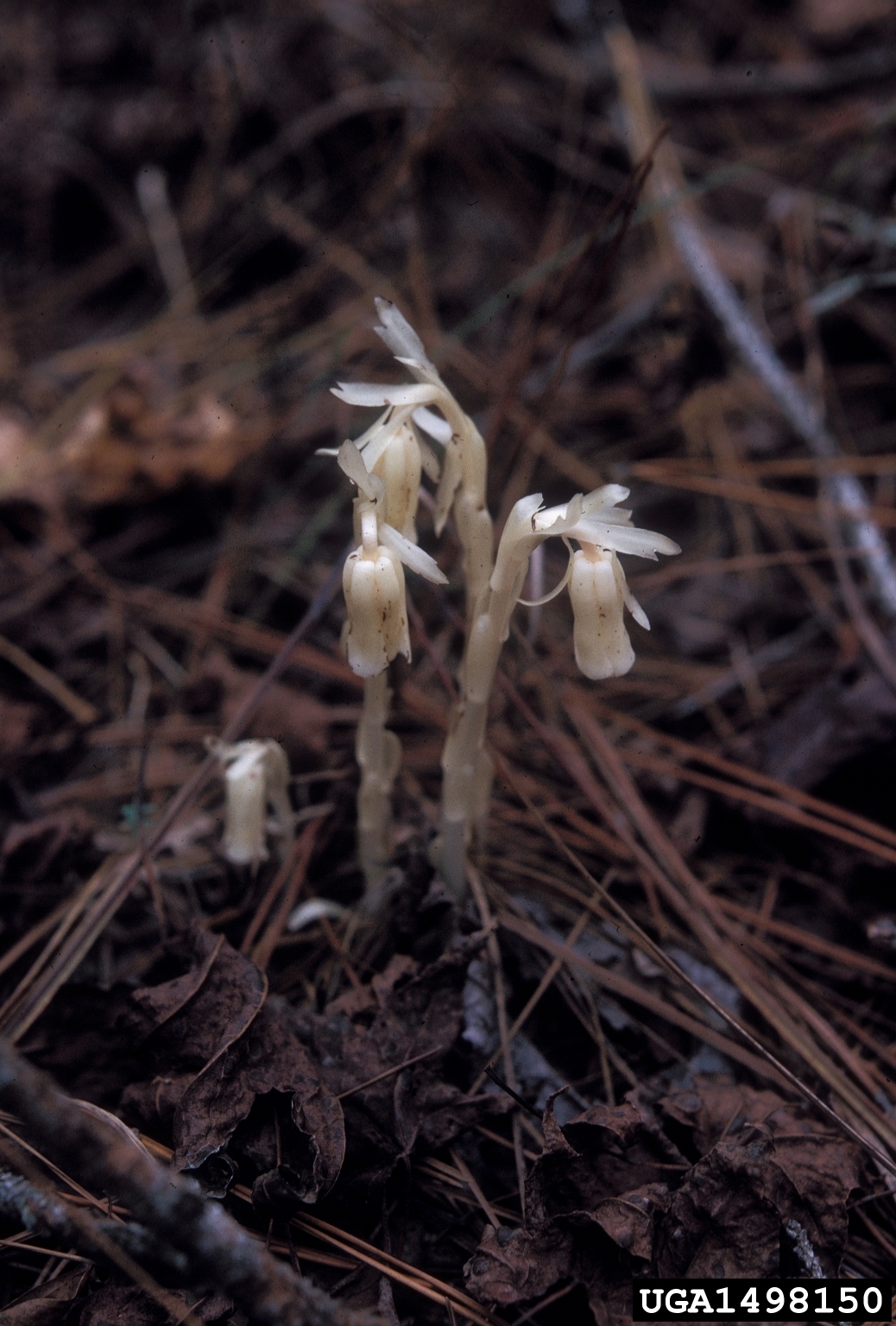
Monotropaceae - Indian Pipe Family
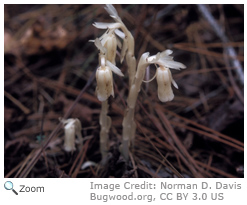 Plants in this family don't have chlorophyll. There are arounf 12 species and most are found in temperate and boreal regions in the Northern Hemisphere. Plants in this family don't have chlorophyll. There are arounf 12 species and most are found in temperate and boreal regions in the Northern Hemisphere.
|


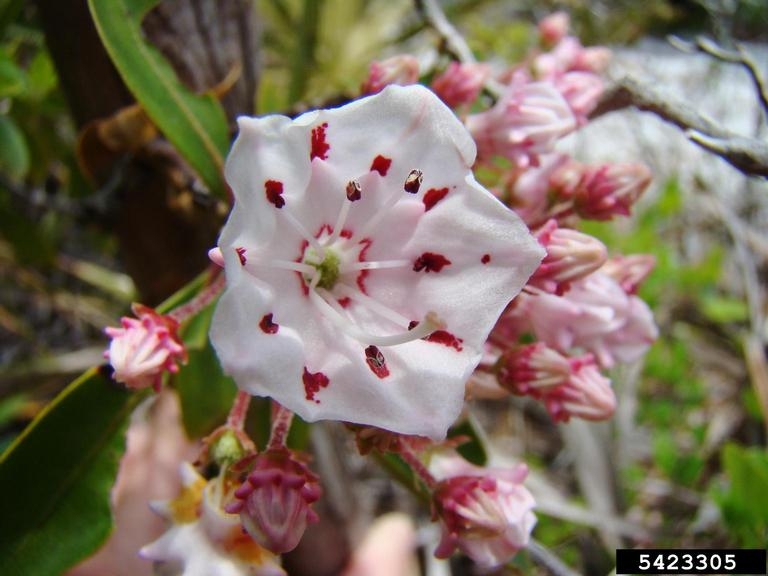 This
is the largest family in the order with about 4,000 species. Most plants
in this group grow best in moist, acidic soil. Plants in this family include
heather, blueberries,
cranberries, mountain laurel, mayflower, azaleas, St. John's wort and rhododendrons. Many plants in this family depend on fungi to get the nutrients they need.
This
is the largest family in the order with about 4,000 species. Most plants
in this group grow best in moist, acidic soil. Plants in this family include
heather, blueberries,
cranberries, mountain laurel, mayflower, azaleas, St. John's wort and rhododendrons. Many plants in this family depend on fungi to get the nutrients they need.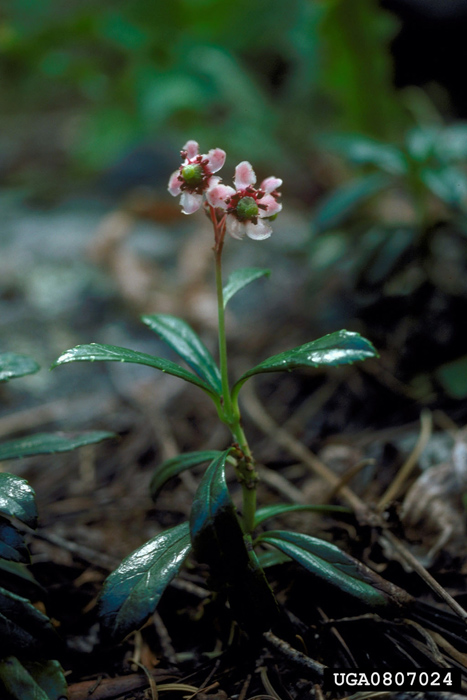 There are 45 species of plants in this family. They are found in temperate and boreal regions of the Northern Hemisphere. Plants include
sidebells wintergreen,
pipsissewa and
white-veined wintergreen.
There are 45 species of plants in this family. They are found in temperate and boreal regions of the Northern Hemisphere. Plants include
sidebells wintergreen,
pipsissewa and
white-veined wintergreen.